For cleaner measuring, round to the nearest practical tool: 1/4 tsp, 1/2 tsp, 1 tsp, 1 tbsp, etc.
Cups to mL Converter and Kitchen Conversions
Need cups to mL fast? The main tool below starts there by default, so you can get the jug-friendly number first and keep moving.
You can switch the same tool to tablespoons, teaspoons, liters, grams, ounces, and oven temperatures when the recipe calls for something else. The rest of the page stays below the fold for standards help, common references, and broader kitchen conversions.
Quick cups to mL converter
It opens on cups to mL because that is the most common kitchen check on the site. Change the units only if you need a different conversion.
Metric (250 mL) is commonly used in Canada, the UK, Australia, and New Zealand; US cups are ~236.588 mL.
Converted value 250 mL
Why Home Cooks Keep Coming Back
CupsToML works best when you need more than a one-off number. It helps when recipes switch standards, when batch sizes change, and when you want your second attempt to turn out like your first.
Match recipe standards
Switch between Metric and US cup values when the source recipe and your measuring tools do not line up.
Scale without drift
Convert once, then scale from the converted total so repeated rounding does not creep into the recipe.
Get the why, not just the number
Use the guides when you need to understand why cups, ounces, grams, and temperatures behave differently.
Practical note: We aim for mathematical accuracy, but in a real kitchen it is often best to round to the measuring tool you actually have in front of you.
How CupsToML handles measurement standards
Last reviewed: April 18, 2026
If you want the short standards summary behind these numbers, use Kitchen Measurement Standards and About CupsToML.
Why accurate measuring matters in the kitchen
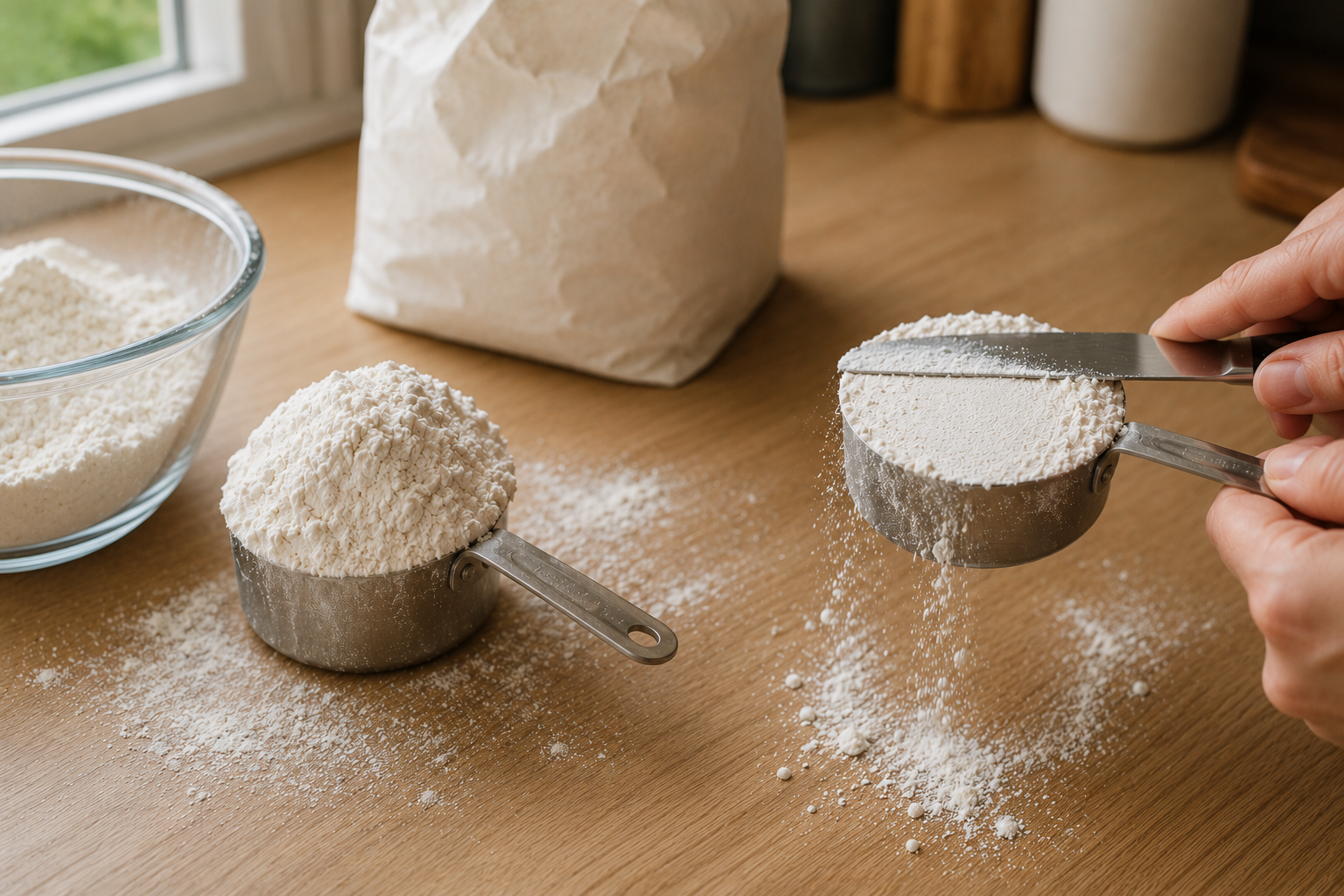
Small measurement differences add up faster than most recipes expect. A cup of all-purpose flour scooped directly from the bag packs in about 20 to 30 percent more flour than the same cup spooned and leveled. That is the difference between a tender crumb and a dense, dry loaf, and it comes entirely from how the cup was filled, not the recipe itself.
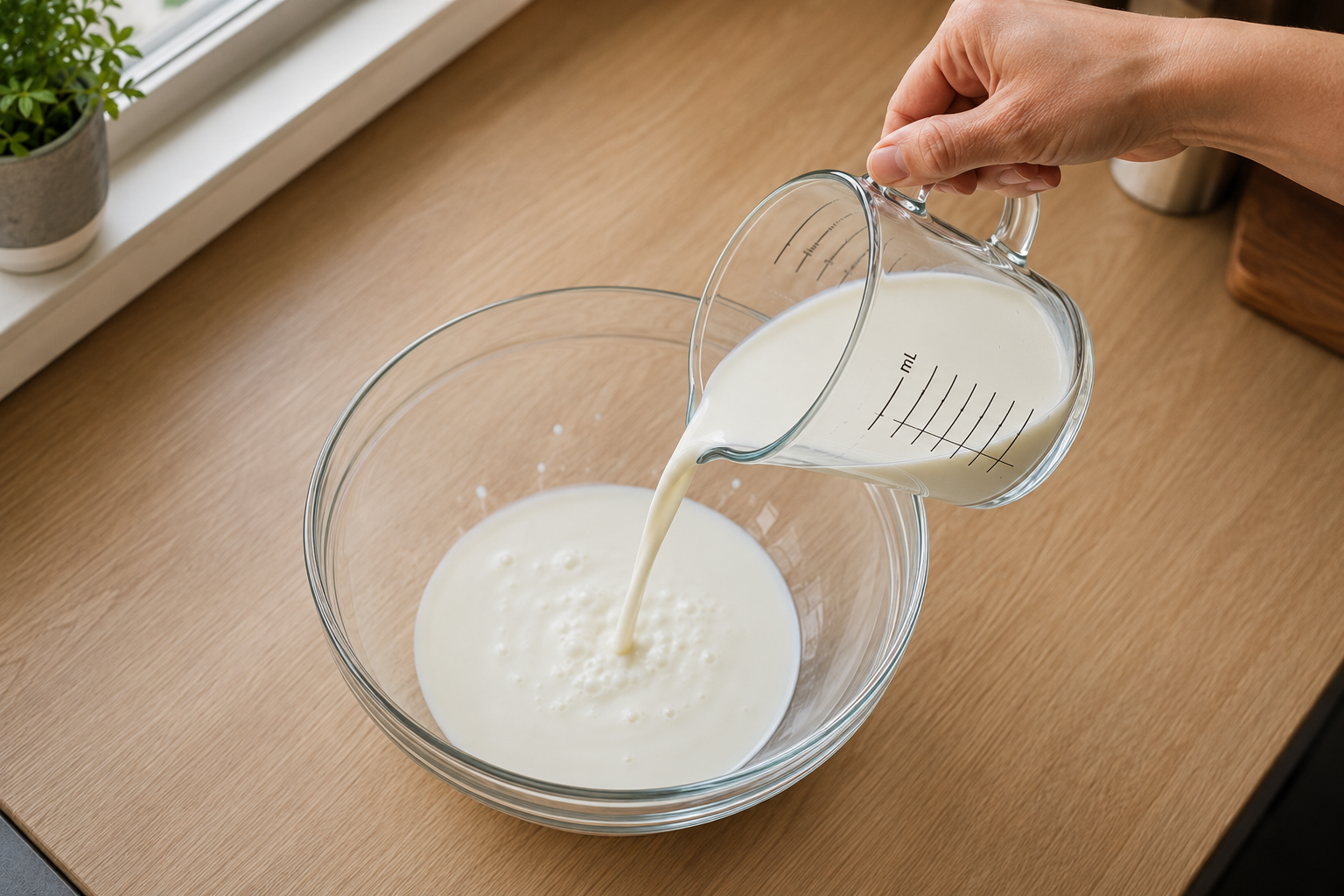
Cup standards add another layer of variation. A Metric cup, used in Canada, Australia, the UK, and New Zealand, holds 250 mL. A US cup holds 236.6 mL. That is a 13.4 mL gap per cup. For a single cup of milk it barely matters; for a double-batch of a batter using three cups of liquid, the difference becomes 80 mL, enough to change the consistency.
The practical tip: when a recipe gives you a volume in mL, measure in mL. Do not convert to cups and back. The converter above handles region-aware conversions, but the most reliable path is to use the unit the recipe author used.
How to use the converter
The main converter updates as you type. The default path is the most common one: a recipe calls for cups, and you want the mL total before you fill the jug.
- Set From to Cup.
- Set To to mL.
- Choose your cup standard: Metric (250 mL) if the recipe is from a Canadian, Australian, UK, or New Zealand source; US (236.6 mL) if the recipe is from an American cookbook or site.
- Enter 2 in the Amount field.
- The result appears immediately: 500 mL for Metric cups, or 473.2 mL for US cups.
The same flow works for weight and temperature too. Change the units when you need another kitchen conversion, and the result updates instantly without a page reload.
Tips
Scaling for Meal Prep: Converting volume to weight (grams) makes it easier to scale recipes consistently for large batches.
Decimals are exact; measuring tools aren’t. Rounding to common fractions is often the practical choice.
Popular Converters
How Many Ounces Are in a Cup?
Best for the liquid-volume version of the common "ounces in a cup" question.
Cups to Liters Converter
Helpful for soup pots, stock batches, and drink recipes that move past everyday cup totals.
How Many Tablespoons Are in a Cup?
A quick check when a cup amount needs to be broken into spoon measures.
How Many mL Are in a Fluid Ounce?
Useful when bottle labels or drink recipes move between fluid ounces and metric.
How Many mL Are in a Liter?
A clean metric-only check for jugs, cartons, and larger prep totals.
mL to Fluid Ounces Converter
Best when a metric label needs a quick US liquid-volume read.
mL to Tablespoons Converter
Useful for dressings, sauces, and other smaller pours measured by spoon.
How do I convert Grams to Ounces?
Good for package weights, meal-prep portions, and kitchen scale checks.
What is 350°F in Celsius?
The most common one-off oven conversion for baking.
Ingredient Cups to Grams Chart + Calculator
Use the chart when ingredient behavior matters more than plain cup volume.
How do I convert Celsius to Fahrenheit?
Best when a metric oven recipe needs a familiar Fahrenheit setting.
Use these when you already know the conversion you need. If you still need to choose between volume, weight, oven, or explanation-first pages, start with the Kitchen Hub or Guides.
Common kitchen conversions at a glance
These values cover the measurements you will reach for most often. The 1/2 cup and 1/4 cup rows show both Metric and US values side by side so you can see where the standards diverge in practice.
| Measurement | mL (Metric cup) | mL (US cup) |
|---|---|---|
| 1 Metric cup | 250 mL | — |
| 1 US cup | — | 236.6 mL |
| 1 tbsp | 15 mL | 15 mL |
| 1 tsp | 5 mL | 5 mL |
| 1 fl oz | 29.6 mL | 29.6 mL |
| 1/2 cup | 125 mL | 118.3 mL |
| 1/4 cup | 62.5 mL | 59.1 mL |
For a full set of temperature, weight, and volume references, see the Kitchen Conversion Chart.
Browse by Category
Guides for home cooks and bakers
These guides answer the measuring questions that come up most often in everyday cooking and baking.
Metric vs US Cup: Why Results Differ
Main explainer for why Metric and US cup totals differ, when that gap matters, and how to check it quickly with the SVG chart.
Dry vs Liquid Measuring Cups (and why it matters)
Learn which cup to use for flour, milk, oil, and sticky ingredients so measurements stay consistent.
fl oz vs oz: What’s the Difference?
Clarify when a recipe means fluid ounces for volume and when it means ounces for weight.
The Ultimate Kitchen Conversion Guide: Why Your Recipes Are Failing (and How to Fix Them)
Use a broad troubleshooting guide when recipe measurements keep going wrong in more than one way.
All guides are available at cupstoml.com/guides/.