If a conversion looks “off,” check whether you mixed weight (oz) and volume (fl oz).
Kitchen Volume Conversions
How to use this hub
Use this hub when recipes jump between cups, mL, tablespoons, teaspoons, fluid ounces, and liters. The goal is not just to find a number. It is to pick a clean measuring path so the whole recipe stays consistent from prep to serving.
If you have ever switched between a US recipe and a metric one in the same week, you already know why this matters. A little mismatch in cups, a little rounding at each step, and a recipe can drift more than it should.
Volume is the most common language in the home kitchen, but it is also one of the easiest places for measurement error to creep in. Between Metric and US cup differences, fluid-ounce confusion, and the way different measuring tools are designed, a simple recipe can turn into more guesswork than it should.
This hub is designed to make those differences easier to manage. The goal is not just to convert units, but to help you land on a reliable mL or cup total so sauces, soups, batters, and dressings stay closer to what the recipe intended.
If you want the short version of the site-wide assumptions first, start with Kitchen Measurement Standards: How CupsToML Handles Assumptions. Then use Metric vs US Cup: Why Results Differ when the real problem is matching your recipe source to the right cup standard.
| If the recipe gives | Best move | Why it helps |
|---|---|---|
| mL or liters | Measure by metric directly | Avoids cup-standard confusion completely |
| Cups from a US source | Stay with US cups or convert once | Keeps totals aligned with the original recipe |
| Cups from a metric-first source | Use Metric cup values | Prevents small but repeated volume drift |
| Large batch scaling | Convert once to mL, then multiply | Reduces repeated rounding errors |
How CupsToML handles measurement standards
Last reviewed: April 18, 2026
For the full cup-standard rules behind this hub, use Kitchen Measurement Standards, Metric vs US Cup, and About CupsToML.
Best first clicks
Cups to mL
Best starting point when a cup-based recipe needs a metric total quickly.
mL to Cups
Useful when a metric recipe needs to fit a cup-based measuring set.
Metric vs US Cup
Read this first if the recipe source and your measuring cups do not match.
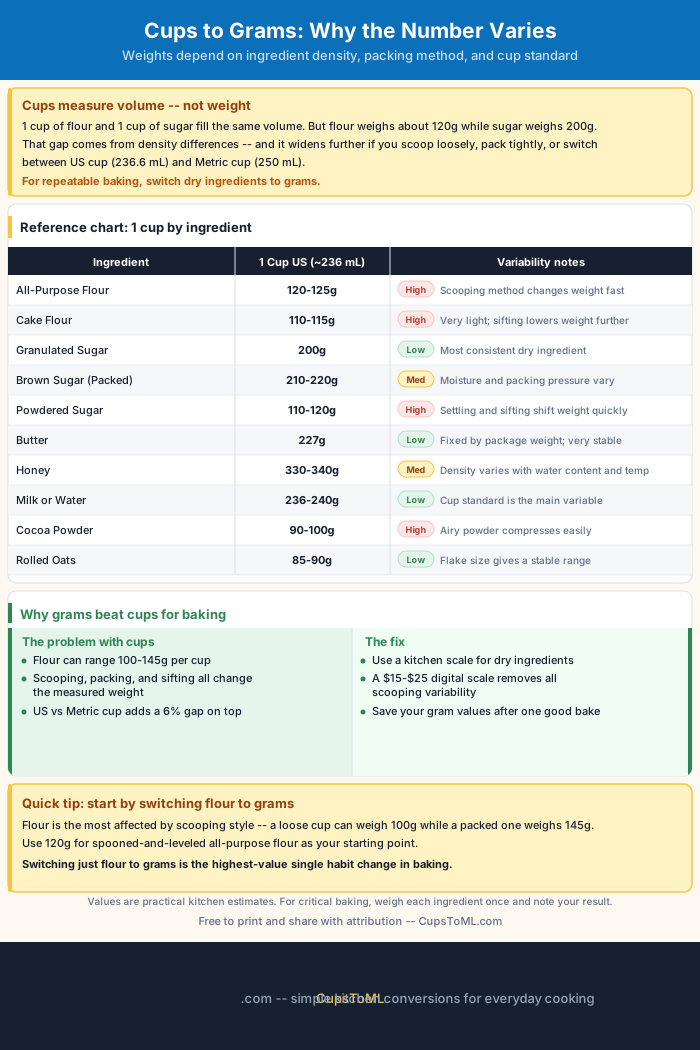
Ingredient Cups to Grams Chart + Calculator
Use this when the ingredient itself is the issue and weight is more reliable than cup volume.
Understanding Volume Standards
Most volume drift starts before the measuring even begins. The recipe may be using a different cup standard, the wrong type of measuring tool, or a spoon size that is not as universal as people expect.
The 14 mL difference
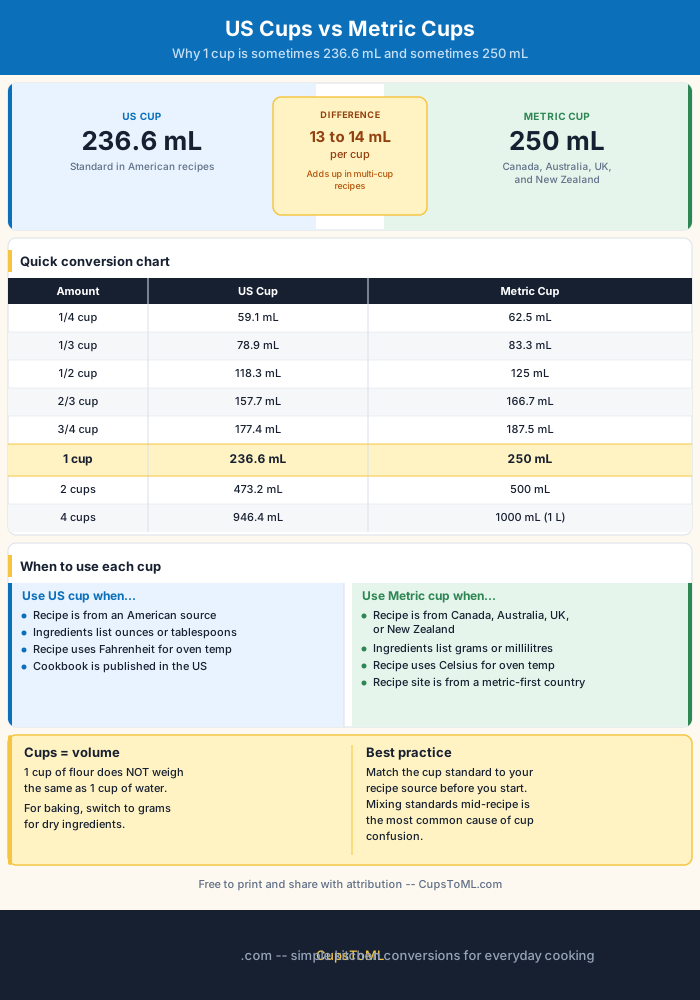
A Metric cup is 250 mL while a US customary cup is about 236.6 mL. That gap looks small until a multi-cup recipe starts stacking the difference.
Liquid vs dry volume
Liquid jugs and dry cups are built for different measuring habits. Using the wrong tool can shift the final total even when the written unit is correct.
The tablespoon trap
Most kitchens treat 1 tablespoon as 15 mL, but some older Australian recipes use a 20 mL tablespoon, which can push totals noticeably higher.
A four-cup recipe can drift by more than 50 mL if the cup standard does not match the source. That is enough to change cake texture, soup concentration, or dough stickiness more than many cooks expect.
It also helps to match the tool to the ingredient state. Dry cups are meant to be filled and leveled. Liquid jugs leave headroom so you can pour without spilling. When the ingredient is especially sensitive, use the right tool first, then let the converter handle the math.
Fraction and small-batch cup checks
For fractional cup amounts and small fixed totals, use How Many mL Are in a Cup? with the quick amount presets instead of browsing a long list of near-duplicate fixed-value pages.
Popular chart
Quick ingredient reference from the Ingredient Cups to Grams Chart + Calculator.
| Ingredient | 1 Cup (US) in Grams | 1 Tablespoon in Grams |
|---|---|---|
| Flour | 120g–125g | 8g–9g |
| Granulated Sugar | 200g | 12.5g |
| Butter | 227g | 14.2g |
| Milk/Water | 240g | 15g |
| Honey/Syrup | 340g | 21g |
Downloadable volume-side references
These SVG references are the best companions when a plain cups-to-mL answer is not enough and you want a fast visual check for cup standards or flour-sensitive measuring.
| Reference page | Best for | Download |
|---|---|---|
| Ingredient Cups to Grams Chart + Calculator | Best for flour, sugar, butter, cocoa, oats, and other ingredient-specific cup-to-gram checks. | Download SVG chart |
| Metric vs US Cup: Why Results Differ | Best for side-by-side cup-standard comparisons when recipe sources disagree. | Download SVG chart |
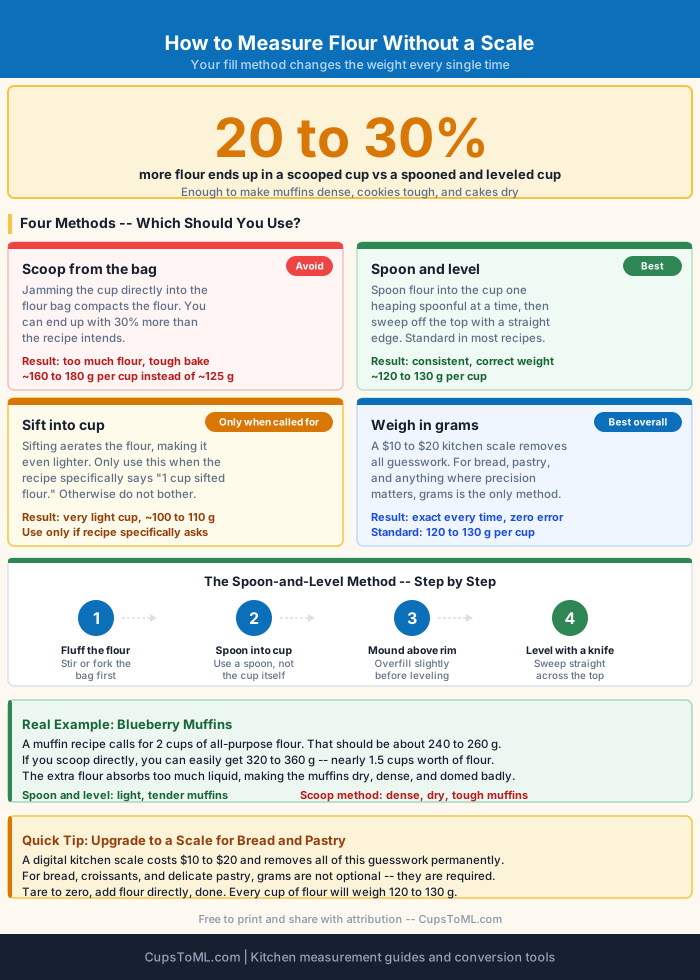
| How to Measure Flour Without a Scale | Best for spoon-and-level technique, flour compaction, and practical baking consistency. | Download SVG chart |
Volume workflow notes
Use this kitchen volume hub when recipes move between cups, mL, tablespoons (tbsp), teaspoons (tsp), fluid ounces (fl oz), and liters. It is built for practical cooking decisions: checking one ingredient quickly, converting full batch totals, or lining up measurements across different recipe sources.
Example: 2 metric cups = 500 mL, but 2 US cups ≈ 473 mL. That is enough to change dough hydration in baking or concentration in soup and sauce bases.
Useful conversion shortcuts
How Many mL Are in a Cup?
The essential starting point when a cup-based recipe needs a precise metric total for cleaner measuring.
mL to Cups Converter
Best when a metric-first recipe needs to fit the measuring cups already in your drawer.
Cups to Liters Converter
Useful for larger-batch soups, stocks, sauces, and other recipes that move beyond everyday cup totals.
Liters to Cups Converter
Helpful when a bulk liquid amount needs to be translated back into familiar cup measures.
How Many Tablespoons Are in a Cup?
A quick shortcut when you want a smaller liquid measure without pulling out a full cup.
Tablespoons to Cups Converter
Useful when smaller spoon-based amounts need to be combined into a larger cup total.
How Many Ounces Are in a Cup?
Helpful when you need the volume side of cup-to-ounce math for liquids and beverage-style recipes.
How Many mL Are in a Fluid Ounce?
Useful when a recipe gives fluid ounces and you want the exact mL total for cleaner metric measuring.
Metric cup (250 mL) is commonly used in Canada, the UK, Australia, and New Zealand, and many metric-based recipes worldwide. US cup is 236.588 mL. For scaling, convert once to mL, multiply the scaled amount, then convert back only at the end if you still need cups, tbsp, tsp, fl oz, or liters.
For the practical rules behind those choices, keep Kitchen Measurement Standards: How CupsToML Handles Assumptions handy. For baking-sensitive volume questions, pair this hub with Why Weight Beats Volume and the Ingredient Cups to Grams Chart + Calculator.
Tips
Doubling a recipe? Convert first, then multiply; it reduces rounding errors.
For scaling, convert the original recipe to mL first, multiply that full total, and convert back to cups only at the end. That keeps small rounding errors from growing across a larger batch.
Volume Converter Pages
These are the highest-use volume pages on the site. They cover the common kitchen routes without turning this hub into a long directory of every lower-priority variant.
Liter Conversions
Cups to Liters Converter
Best for soups, stockpots, and drink batches that are easier to think about in liters.
Liters to Cups Converter
High-volume conversion for larger batches, catering prep, and big gathering recipes.
mL to Liters Converter
Useful when a large metric total needs to be simplified into liters.
How Many mL Are in a Liter?
A clean metric-only conversion for bottles, jugs, and batch-cooking totals.
How Many Ounces Are in a Cup?
Helpful when a liquid recipe uses cup language but the next tool in reach is marked in fluid ounces.
Cups to Liters Converter
Best for soups, stockpots, and drink batches that are easier to think about in liters.
How Many Tablespoons Are in a Cup?
Useful when a cup amount needs to be split into spoon measures without guessing.
How Many mL Are in a Fluid Ounce?
Good for bottle labels, cocktails, and liquid recipes that move between US and metric.
mL to Tablespoons Converter
Useful for sauces, dressings, and other smaller liquid measurements where spoon accuracy matters.
mL to Teaspoons Converter
Useful for extracts, flavorings, leavening, and other high-impact small-volume ingredients.
How Many mL Are in a Tablespoon?
Best when a spoon-based recipe step needs an exact metric total.
How Many Teaspoons Are in a Tablespoon?
Useful when you are moving between tablespoon and teaspoon measures in the same prep flow.
FAQs
When should I use cups vs mL?
Use mL when possible for consistent measuring across recipe sources. Cups are still practical, but mL reduces ambiguity when scaling.
Why do cup-based results change?
Because cup size depends on the selected standard. A metric cup is 250 mL, while a US cup is 236.588 mL.
What’s the difference between Metric and US cups?
Metric cup is 250 mL. US cup is 236.588 mL, so repeated cup amounts can produce different totals.
Is fl oz the same as oz?
No. fl oz is volume, while oz is weight. Use fl oz for liquids and oz for mass.
How do I scale a recipe without rounding errors?
Convert once to a base metric value like mL, multiply the full amount, then convert back only if needed.
How many tablespoons are in a cup?
In common kitchen practice, 1 cup is 16 tablespoons.
How many teaspoons are in a tablespoon?
1 tablespoon equals 3 teaspoons.