What are kitchen conversion charts used for?
Kitchen charts provide quick reference values so you can check common conversions without retyping numbers each time.
Use these quick-reference charts when you need common kitchen conversions at a glance. Start with the Kitchen Conversion Chart for the most-used kitchen values, or jump straight to the Cups to Grams Chart when baking accuracy matters more than volume shortcuts.
If you want the practical assumptions behind those chart values first, read Kitchen Measurement Standards: How CupsToML Handles Assumptions. It explains how the site handles cup defaults, ingredient-state differences, and when grams are the better path.
Use chart pages when the common checkpoints are enough and you want to scan instead of type. Start with the Kitchen Conversion Chart for everyday cups, spoons, and mL relationships. Use Cups to Grams Chart when baking accuracy depends more on ingredient weight than on cup volume.
For oven-first reference, use the Oven Temperature Conversion Chart (°C ↔ °F). If you need an exact custom value instead of a scan-first table, switch from the chart hub to How do I convert Fahrenheit to Celsius? or How do I convert Celsius to Fahrenheit?.
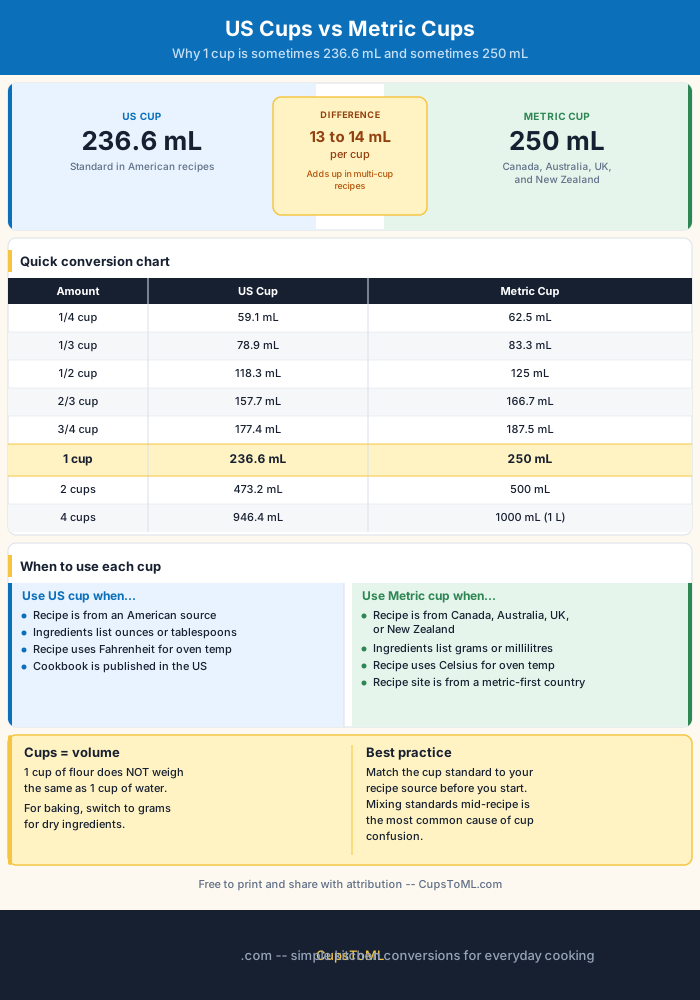
Use this for the common cups, tablespoons, teaspoons, fluid ounces, and mL relationships that come up over and over in cooking. The side-by-side Metric and US cup values make it the faster option when the recipe source is unclear but you only need the usual checkpoints.
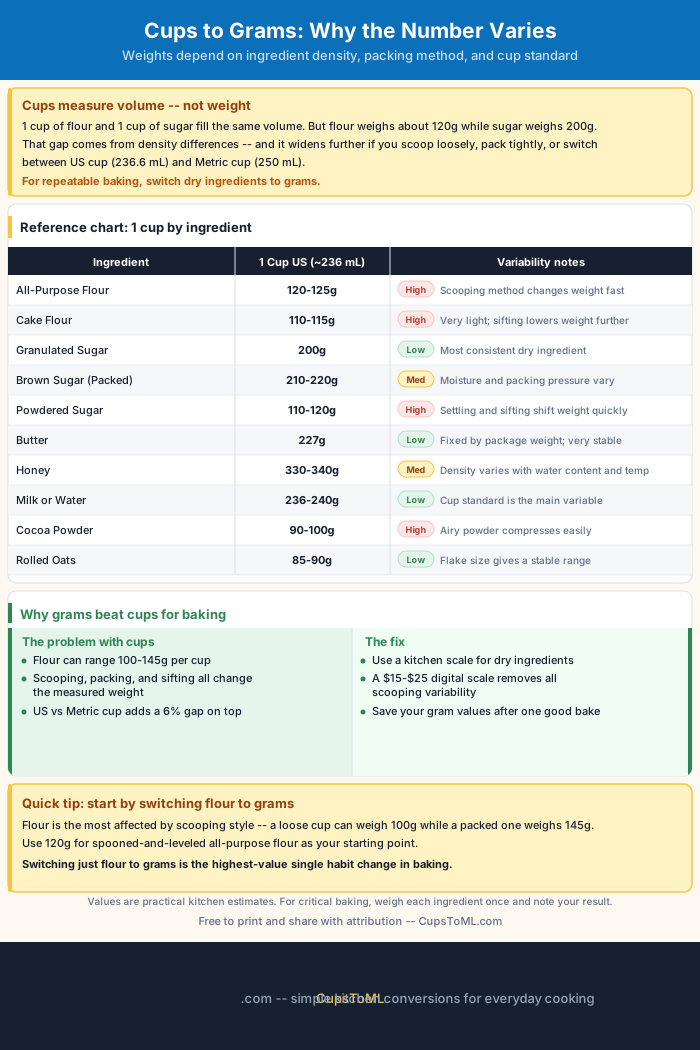
Use this when the ingredient itself changes the answer. It gives the strongest scan-first path for flour, sugar, butter, oats, honey, cocoa, and other common baking ingredients, then points you toward weight when cups stop being the cleanest tool.
The table below covers the conversions you will reach for most often. Metric cup values are shown separately from US cup values where the two differ.
| Measurement | Equals |
|---|---|
| 1 Metric cup | 250 mL |
| 1 US cup | 236.6 mL |
| 1 tablespoon | 15 mL |
| 1 teaspoon | 5 mL |
| 1 fluid ounce | 29.6 mL |
| 1/2 Metric cup | 125 mL |
| 1/4 Metric cup | 62.5 mL |
| 1/2 US cup | 118.3 mL |
| 1/4 US cup | 59.1 mL |
For a full reference table and less common units, use the Kitchen Conversion Chart.
These chart pages are the scan-first reference layer for the site. Use them when you want grouped kitchen values fast, then switch to a converter page only if you need a custom amount.
These pages already include SVG references you can save for quick kitchen use. Open the page if you want the full explanation first, or jump straight to the download when you only need the chart.
| Reference page | Best for | Download |
|---|---|---|
| Ingredient Cups to Grams Chart + Calculator | Best for flour, sugar, butter, cocoa, oats, and other ingredient-specific cup-to-gram checks. | Download SVG chart |
| Metric vs US Cup: Why Results Differ | Best for side-by-side cup-standard comparisons when recipe sources disagree. | Download SVG chart |
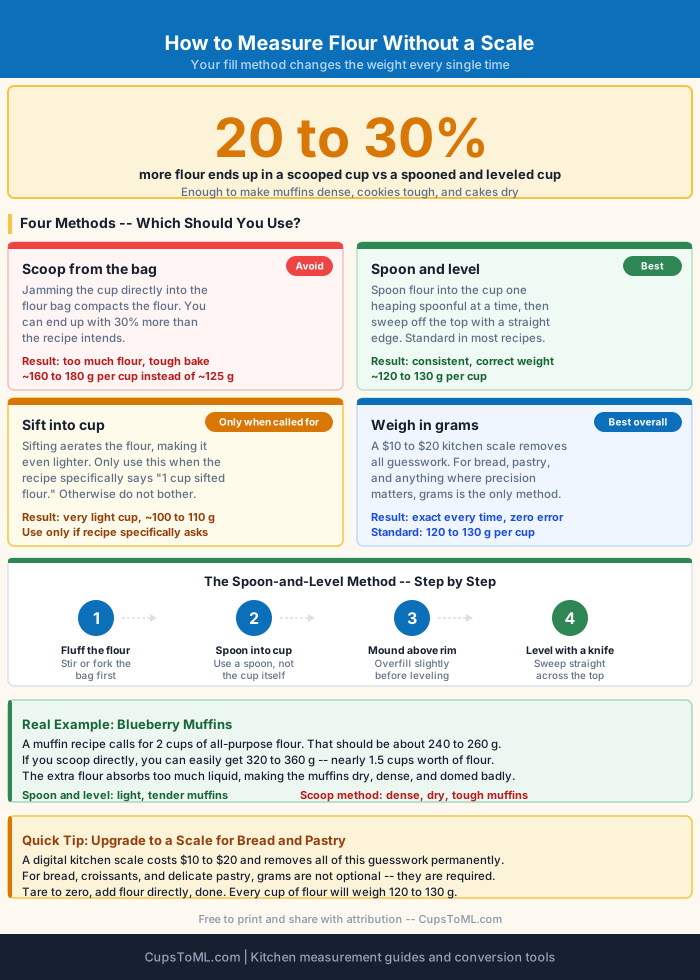
| How to Measure Flour Without a Scale | Best for spoon-and-level technique, flour compaction, and practical baking consistency. | Download SVG chart |
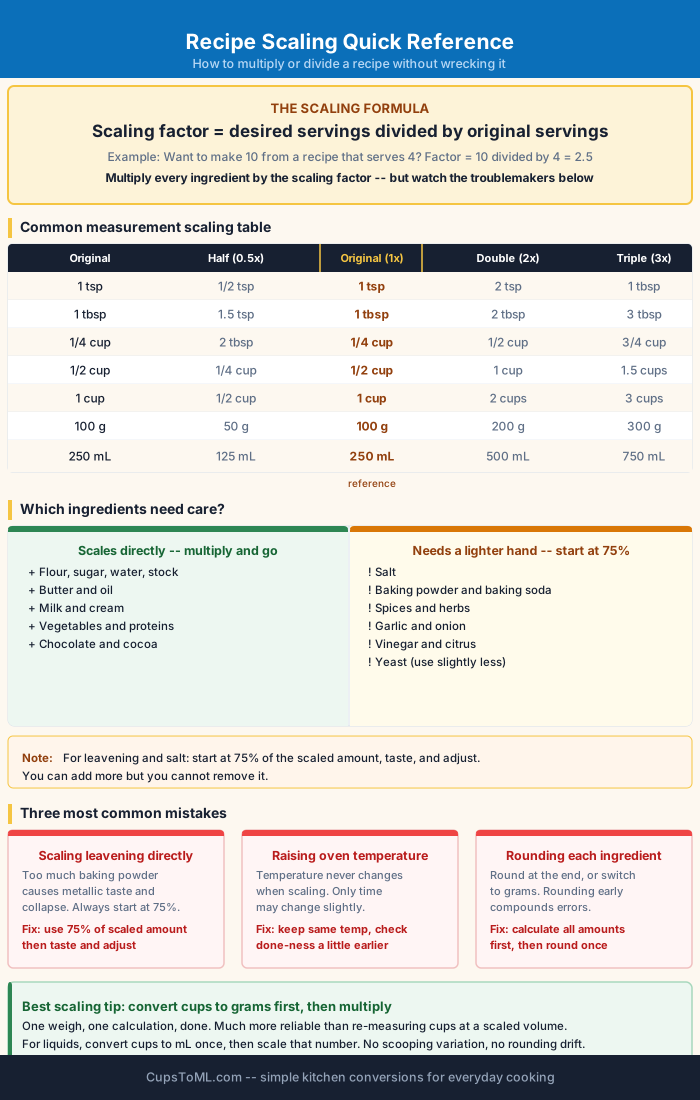
| How to Scale a Recipe Up or Down | Best for quick scaling reminders when doubling, halving, or resizing a recipe. | Download SVG reference |
Kitchen charts provide quick reference values so you can check common conversions without retyping numbers each time.
Use charts for fast scanning of common values. Use converters when you need exact custom amounts.
Cup totals depend on the selected standard, so Metric and US cups can return different values.
No. fl oz is volume, while oz usually refers to weight.
A °C to °F chart covering common baking setpoints is the most-used quick reference in many kitchens.
For home cooking, light rounding is usually fine. Keep the same rounding approach through the full recipe.
The charts on this site include both Metric cup (250 mL) and US cup (236.6 mL) values where the difference matters. Always match the cup standard to your recipe source to avoid small but compounding measurement gaps.
Yes, with one note: for dry ingredients like flour and sugar, weight measurements in grams are more reliable than volume. The Cups to Grams Chart is the best starting point for baking because it removes the guesswork from how tightly the cup was packed.
Yes. The cups-to-grams page and several core guide pages include downloadable SVG references you can save or print for quick kitchen use.