What are kitchen conversion charts used for?
Kitchen charts provide quick reference values so you can check common conversions without retyping numbers each time.
Use these quick-reference charts when you need common kitchen conversions at a glance. Start with the Kitchen Conversion Chart for the most-used kitchen values, or jump straight to the Cups to Grams Chart when baking accuracy matters more than volume shortcuts.
If you want the practical assumptions behind those chart values first, read Kitchen Measurement Standards: How CupsToML Handles Assumptions. It explains how the site handles cup defaults, ingredient-state differences, and when grams are the better path.
Use chart pages when you want fast lookup while cooking and do not need custom one-off calculator inputs. A good chart keeps the most common values visible in one place, which helps during prep, batch cooking, and repeated recipe checks. On this site, the chart hub is designed as a practical companion to converters: scan chart values first, then switch to a calculator page when you need exact fine-grain output.
Start with the Kitchen Conversion Chart for common kitchen values that come up often across measuring cups, spoons, and volume relationships. When the real question is ingredient density rather than plain volume, use Cups to Grams Chart as the baking-focused guide. For oven-focused reference, use the Oven Temperature Conversion Chart (°C ↔ °F) to compare common bake and roast settings quickly. If you need exact temperature conversion for a custom value, jump to How do I convert Fahrenheit to Celsius? or How do I convert Celsius to Fahrenheit?. If cup-standard confusion is the real issue, pair the chart pages with Metric vs US Cup: Why Results Differ.
A chart is faster than a calculator when you are mid-recipe and just need a quick number. Your hands are covered in flour, the dough is waiting, and you need to know how many mL are in a tablespoon without typing anything. For those moments, a chart page is the right tool: open it, scan the row you need, and keep going.
Switch to a calculator when the chart does not cover your exact amount. If you need to convert 1.75 cups, or you are working with a less common unit like fluid ounces to tablespoons, the converter pages handle custom input precisely. The same applies when you are scaling an unusual ratio: a chart rounds to common values, but a calculator works with any number you give it.
One practical tip: bookmark the chart pages you reach for most often so they are one tap away during cooking. The most-used charts tend to be the same ones every time, and having them saved removes one more thing to think about mid-prep.
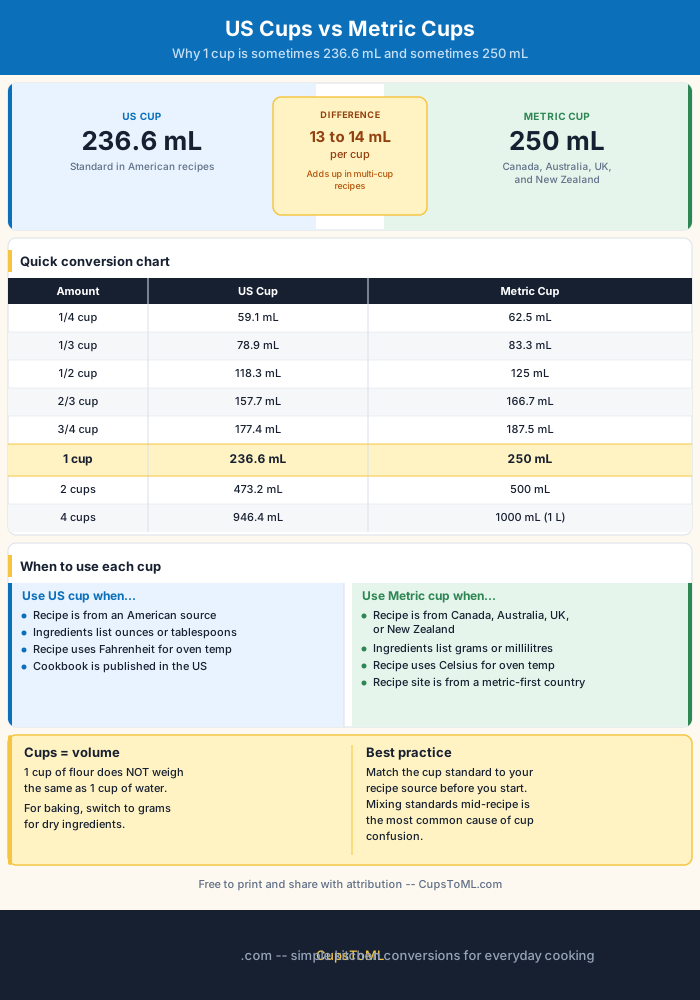
Covers the most commonly used kitchen volume conversions in one place: cups to mL, tablespoons to mL, teaspoons to mL, and fluid ounces to mL. Includes both Metric cup (250 mL, used in Canada, Australia, the UK, and New Zealand) and US cup (236.6 mL) values side by side, so you can match the chart to your recipe source without switching pages. Useful for everyday cooking, recipe scaling, and quickly checking unfamiliar unit relationships before you start measuring.
This chart is the best first stop when you pick up a recipe and are not sure which unit your measuring tools match. If the recipe lists mL but your measuring cups are labeled in cups, one glance at this chart tells you the row you need. The side-by-side Metric and US columns make it easy to spot whether the difference matters for your recipe.
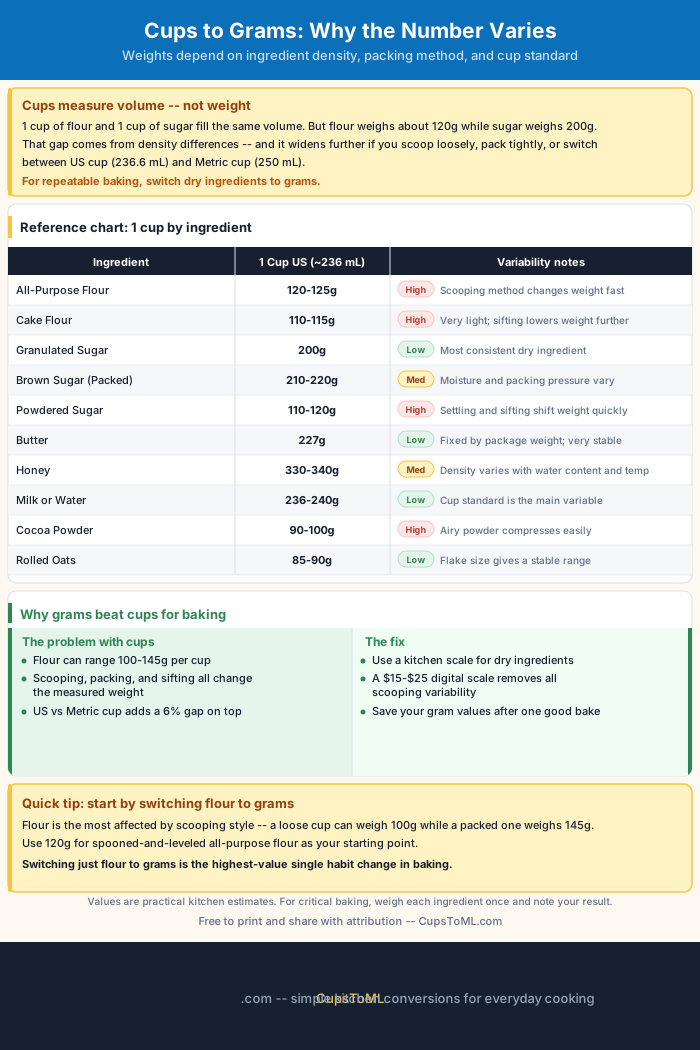
Covers weight conversions for the 10 most common baking ingredients: all-purpose flour, granulated sugar, brown sugar, butter, rolled oats, honey, milk, cocoa powder, almond flour, and powdered sugar. Weight values are listed per cup so you can move from volume to grams without a calculator. This chart is especially useful for baking, where the weight of an ingredient is more consistent than a volume measurement because it removes the variable of how tightly the cup was packed.
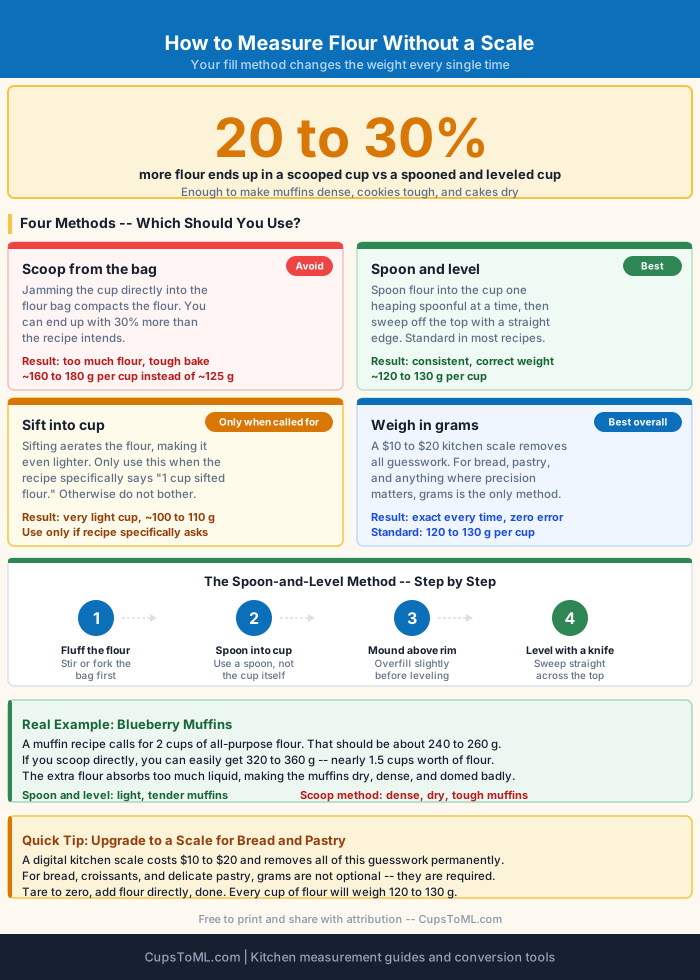
If you have a kitchen scale and want to stop scooping flour by cup, this chart is the practical bridge between the two systems. Look up the ingredient, read the gram value, and weigh directly into your bowl. For ingredients like almond flour or cocoa powder, where density variation between brands is noticeable, the weight column removes the guesswork entirely. If you want the fuller explanation behind that shift, pair this page with Why Weight Beats Volume and How to Measure Flour Without a Scale.
The table below covers the conversions you will reach for most often. Metric cup values are shown separately from US cup values where the two differ.
| Measurement | Equals |
|---|---|
| 1 Metric cup | 250 mL |
| 1 US cup | 236.6 mL |
| 1 tablespoon | 15 mL |
| 1 teaspoon | 5 mL |
| 1 fluid ounce | 29.6 mL |
| 1/2 Metric cup | 125 mL |
| 1/4 Metric cup | 62.5 mL |
| 1/2 US cup | 118.3 mL |
| 1/4 US cup | 59.1 mL |
For a full reference table and less common units, use the Kitchen Conversion Chart.
These chart pages are the scan-first reference layer for the site. Use them when you want grouped kitchen values fast, then switch to a converter page only if you need a custom amount.
These pages already include SVG references you can save for quick kitchen use. Open the page if you want the full explanation first, or jump straight to the download when you only need the chart.
| Reference page | Best for | Download |
|---|---|---|
| Ingredient Cups to Grams Chart + Calculator | Best for flour, sugar, butter, cocoa, oats, and other ingredient-specific cup-to-gram checks. | Download SVG chart |
| Metric vs US Cup: Why Results Differ | Best for side-by-side cup-standard comparisons when recipe sources disagree. | Download SVG chart |
| How to Measure Flour Without a Scale | Best for spoon-and-level technique, flour compaction, and practical baking consistency. | Download SVG chart |
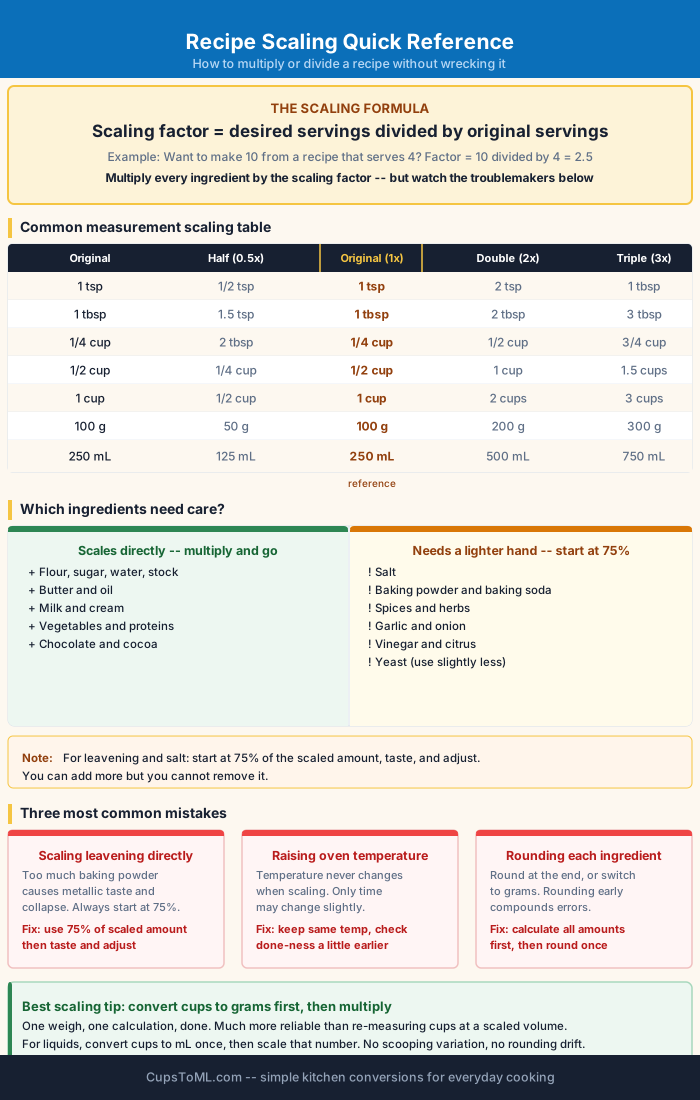
| How to Scale a Recipe Up or Down | Best for quick scaling reminders when doubling, halving, or resizing a recipe. | Download SVG reference |
Kitchen charts provide quick reference values so you can check common conversions without retyping numbers each time.
Use charts for fast scanning of common values. Use converters when you need exact custom amounts.
Cup totals depend on the selected standard, so Metric and US cups can return different values.
No. fl oz is volume, while oz usually refers to weight.
A °C to °F chart covering common baking setpoints is the most-used quick reference in many kitchens.
For home cooking, light rounding is usually fine. Keep the same rounding approach through the full recipe.
The charts on this site include both Metric cup (250 mL) and US cup (236.6 mL) values where the difference matters. Always match the cup standard to your recipe source to avoid small but compounding measurement gaps.
Yes, with one note: for dry ingredients like flour and sugar, weight measurements in grams are more reliable than volume. The Cups to Grams Chart is the best starting point for baking because it removes the guesswork from how tightly the cup was packed.
Yes. The cups-to-grams page and several core guide pages include downloadable SVG references you can save or print for quick kitchen use.