How do I convert 1 cup of all-purpose flour to grams?
US cup: 120g-125g. Metric cup: 126.8g-132.1g.
Assumption: Unpacked, level cup; sifted flour can read lower.
Tip: Scooped flour is usually heavier than spooned-and-leveled flour.
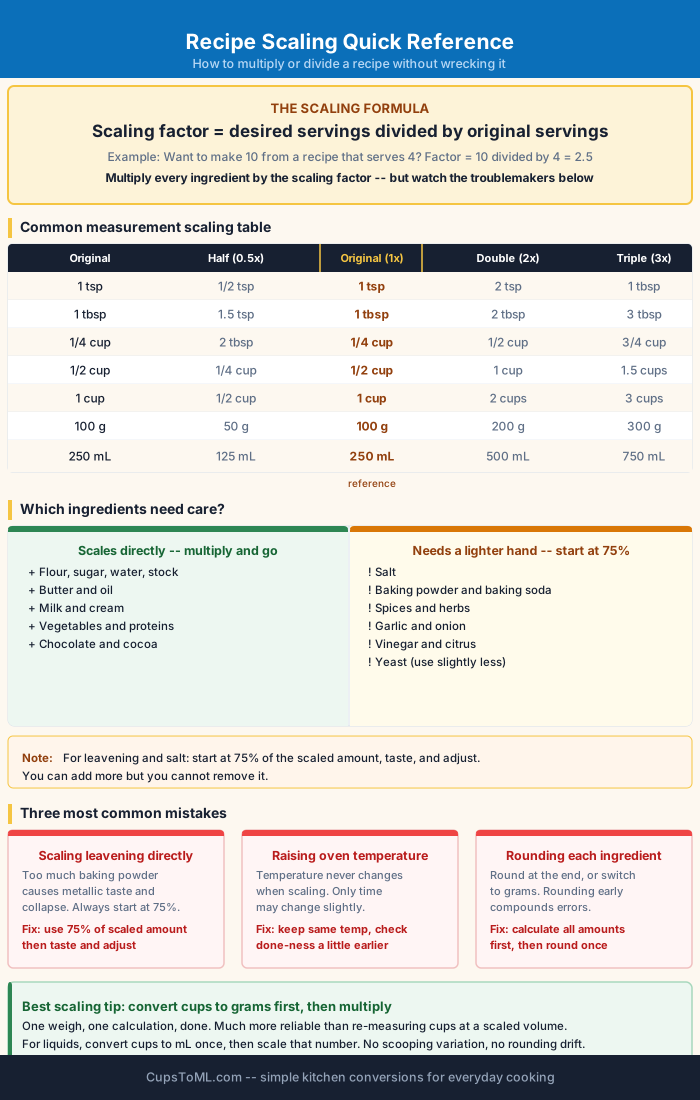
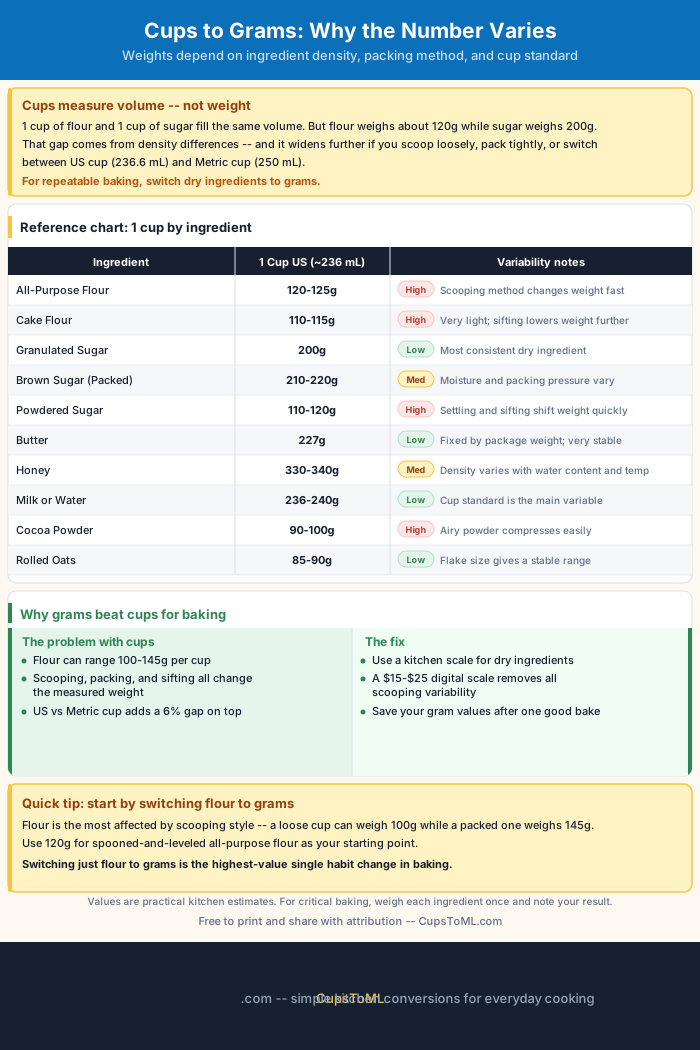
Use this ingredient chart when a recipe gives cups but you want grams for repeatable baking and easier scaling. Start with the ingredients that cause the most variation in real kitchens: flour, sugar, butter, cocoa, oats, and brown sugar. Choose the ingredient, set the amount, then match the cup standard to your recipe source so the output reflects either a US cup (236.588 mL) or a Metric cup (250 mL).
This page is built to answer the most common cups-to-grams questions in one place, so you can check ingredient weights without jumping to a separate page for each ingredient. Use the calculator for a custom amount, then use the reference table and notes below to judge when a range is normal and when a packed or sifted cup is changing the result.
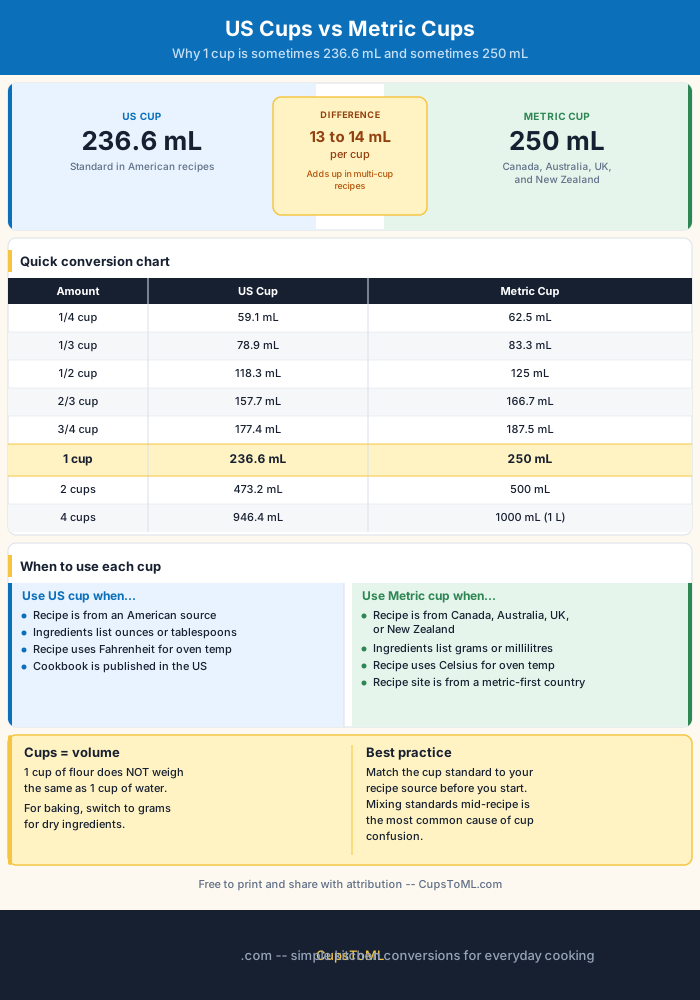
If you want the practical rules behind those ranges first, start with Kitchen Measurement Standards: How CupsToML Handles Assumptions. If the issue is cup standard rather than ingredient density, pair this chart with Metric vs US Cup: Why Results Differ and How Many mL Are in a Cup?.
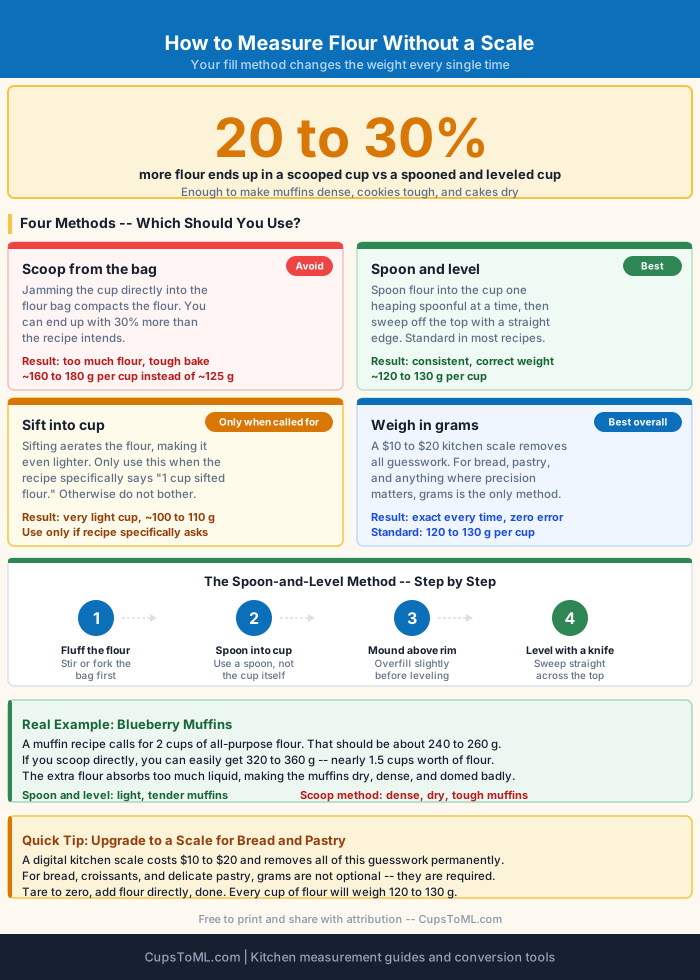
If this page is already doing the heavy lifting for your baking conversions, these companion references are the next most useful downloads for cup standards, flour technique, and recipe scaling.
Fast answer for flour, sugar, butter, honey, cocoa, rice, oats, and more.
Assumption: Unpacked, level cup; sifted flour can read lower.
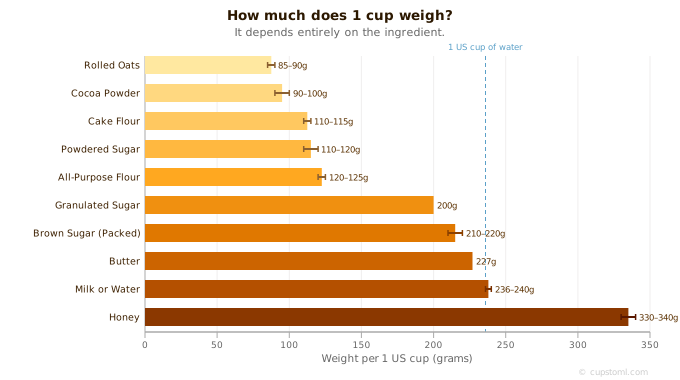
Ranges reflect real kitchen variation from packing, moisture, and scoop style.
| Ingredient | 1 Cup (US) | 1 Cup (Metric) | 1 Tbsp | Why values move |
|---|---|---|---|---|
| All-Purpose Flour | 120g-125g | 126.8g-132.1g | 7.5g-7.8g | Scooped flour is usually heavier than spooned-and-leveled flour. |
| Bread Flour | 125g-130g | 132.1g-137.4g | 7.8g-8.1g | Higher protein flour can settle denser than all-purpose flour. |
| Cake Flour | 110g-115g | 116.2g-121.5g | 6.9g-7.2g | Very light flour, so packing and sifting change cup weight quickly. |
| Granulated Sugar | 200g | 211.3g | 12.5g | One of the most consistent cup-to-gram ingredients. |
| Brown Sugar (Packed) | 210g-220g | 221.9g-232.5g | 13.1g-13.8g | Moisture and packing pressure change the final grams noticeably. |
| Powdered Sugar | 110g-120g | 116.2g-126.8g | 6.9g-7.5g | Sifting and settling significantly change volume weight. |
| Butter | 227g | 239.9g | 14.2g | Usually fixed by package weight, so this is stable. |
| Honey | 330g-340g | 348.7g-359.3g | 20.6g-21.3g | Density varies by water content and temperature. |
| Milk or Water | 236g-240g | 249.4g-253.6g | 14.8g-15g | Water is ~1g per mL, so cup standard is the main difference. |
| Cocoa Powder | 90g-100g | 95.1g-105.7g | 5.6g-6.3g | Airy powders compress easily, so pack level matters. |
| Rolled Oats | 85g-90g | 89.8g-95.1g | 5.3g-5.6g | Flake size and settling affect cup density. |
| Uncooked Rice | 185g-200g | 195.5g-211.3g | 11.6g-12.5g | Grain length and shape cause range differences. |
The short answer is density, but in a home kitchen density shows up as real measuring habits. Flour gets heavier when you scoop from the bag. Brown sugar changes when you pack it more firmly. Honey and syrup are naturally heavier than water-like liquids, so a cup of them weighs much more even when the cup size is the same. Butter is relatively stable because package weight usually keeps it honest.
| Ingredient group | Why the grams shift | Best next step |
|---|---|---|
| Flour and airy powders | Scooping, spooning, sifting, and settling all change the real amount in the cup. | Use How to Measure Flour Without a Scale or switch to grams. |
| Sugars | Granulated sugar is steady, but brown sugar changes with packing and moisture. | Use the chart range, then weigh for repeat bakes. |
| Butter | Butter is less variable because stick or block weight is usually fixed. | Use grams when scaling or when the recipe gives both weight and cups. |
| Liquids | Water-like liquids are mostly affected by cup standard, not scoop style. | Use mL when you want the cleanest liquid measurement path. |
| Sticky ingredients | Honey, syrup, and similar ingredients are dense and can cling to the cup. | Use the range as a guide and measure carefully or weigh. |
This chart is enough when you need a fast, practical conversion for a common ingredient and you understand the basic assumption behind the number. It works especially well for quick checks, one-off bakes, recipe comparisons, and scaling an ingredient after you decide which cup standard the recipe is using.
A scale becomes the better move when the recipe is flour-heavy, repeated often, or already giving you mixed signals. Bread dough, cakes, cookies, pastry, and any bake you are trying to repeat closely all benefit from weighing. If flour technique is the main problem, read How to Measure Flour Without a Scale. If you want the bigger picture on why cups drift at all, read Why Weight Beats Volume (Cups vs Grams).
US cup: 120g-125g. Metric cup: 126.8g-132.1g.
Assumption: Unpacked, level cup; sifted flour can read lower.
Tip: Scooped flour is usually heavier than spooned-and-leveled flour.
US cup: 125g-130g. Metric cup: 132.1g-137.4g.
Assumption: Level cup; not intentionally packed.
Tip: Higher protein flour can settle denser than all-purpose flour.
US cup: 110g-115g. Metric cup: 116.2g-121.5g.
Assumption: Level cup; lightly spooned.
Tip: Very light flour, so packing and sifting change cup weight quickly.
US cup: 200g. Metric cup: 211.3g.
Assumption: Dry sugar, level cup.
Tip: One of the most consistent cup-to-gram ingredients.
US cup: 210g-220g. Metric cup: 221.9g-232.5g.
Assumption: Packed cup unless recipe states otherwise.
Tip: Moisture and packing pressure change the final grams noticeably.
US cup: 110g-120g. Metric cup: 116.2g-126.8g.
Assumption: Level cup; unsifted unless recipe says sifted.
Tip: Sifting and settling significantly change volume weight.
US cup: 227g. Metric cup: 239.9g.
Assumption: Standard stick butter, melted/solid weight same.
Tip: Usually fixed by package weight, so this is stable.
US cup: 330g-340g. Metric cup: 348.7g-359.3g.
Assumption: Room-temperature honey; level cup measure.
Tip: Density varies by water content and temperature.
US cup: 236g-240g. Metric cup: 249.4g-253.6g.
Assumption: Water-like density; rich dairy can vary slightly.
Tip: Water is ~1g per mL, so cup standard is the main difference.
US cup: 90g-100g. Metric cup: 95.1g-105.7g.
Assumption: Level cup, lightly spooned.
Tip: Airy powders compress easily, so pack level matters.
US cup: 85g-90g. Metric cup: 89.8g-95.1g.
Assumption: Level cup, uncompressed.
Tip: Flake size and settling affect cup density.
US cup: 185g-200g. Metric cup: 195.5g-211.3g.
Assumption: Dry rice, level cup.
Tip: Grain length and shape cause range differences.
That is why this page works best as a parent reference page rather than an ingredient directory. It gives you the practical starting range, then points you to the right support page when the real question is method, cup standard, or repeatability.