What’s the difference between Metric and US cups?
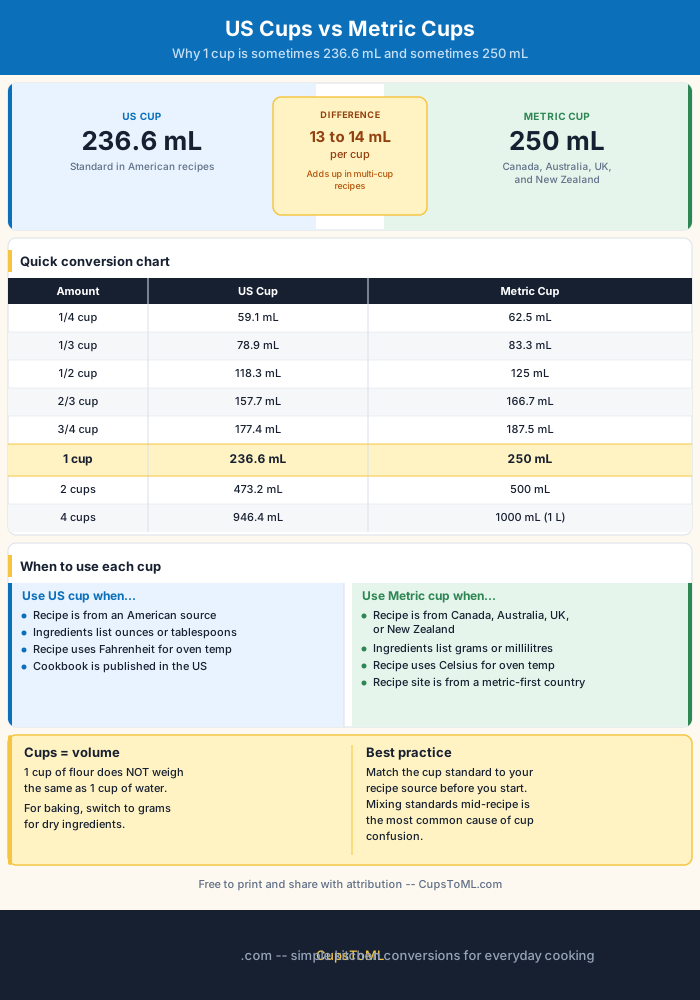
A metric cup is 250 mL, while a US cup is about 236.588 mL, so totals can differ when recipes use multiple cups.
You are halfway through a recipe and something is not adding up. The quantities look right, but the texture is off or the sauce is thinner than expected. Often the problem is not the recipe at all. It is a small measurement assumption you did not know you were making.
These guides exist for those moments. They are written for home cooks and bakers who want to understand what is happening in the bowl, pan, or measuring cup, not just grab one number and hope for the best.
Use this guides hub when you want practical explanations before converting measurements. Converter tools are great for instant numbers, but guides help you avoid common mistakes that can throw off final results, especially when recipes mix regional standards, volume units, and weight units. This section is built for home cooks, bakers, and meal-prep workflows where consistency matters across repeated batches.
Start with the standard-focused guides when cup values look inconsistent between recipe sources. Then move to practical references for fluid-ounce versus ounce confusion and measuring technique checks. If you are scaling recipes, use the guide flow first, then apply converters with one consistent approach across the full recipe so rounding stays predictable. A short read here can prevent repeated rework in the kitchen.
You pull out the same recipe you have made a dozen times. Same ingredients, same steps, same oven. But this time the muffins are denser than usual, or the cookies spread more than they should. Before you blame the flour or the oven, check the cup.
The most common culprit in repeat-recipe failures is a measurement assumption that nobody spelled out. If you use a Metric cup (250 mL, the standard used in Canada, Australia, the UK, and New Zealand) where the recipe assumed a US cup (236.6 mL), each cup is off by about 13.4 mL. That gap is invisible when you are measuring a single cup of milk, but across three cups of liquid in a batter it becomes 40 mL: enough to change the texture noticeably.
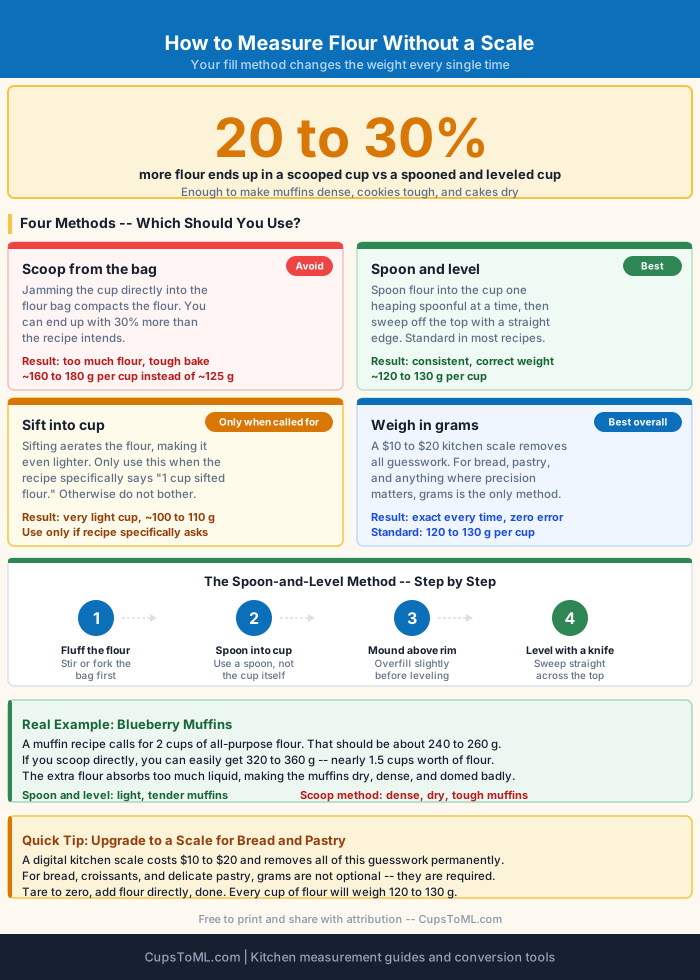
The same logic applies to technique. Measuring flour by scooping directly from the bag packs about 20 to 30 percent more into the cup than spooning and leveling. A recipe written for spooned flour will produce a noticeably denser bake if you scoop. Once you know where these gaps come from, you can stop second-guessing your recipes and start getting consistent results.
If you are not sure which guide to start with, use this as a quick pointer.
If you want the site-wide assumptions first, read Kitchen Measurement Standards: How CupsToML Handles Assumptions. It explains the default Metric cup approach, where US values come in, and why ingredient state can change a conversion answer.
If cup totals are not matching between recipe sources, start with Metric vs US Cup: Why Results Differ. It explains the 13.4 mL gap and when it actually matters for your cooking.
If a recipe calls for fl oz and you are not sure whether that is a volume or a weight measurement, start with fl oz vs oz: What's the Difference? That confusion catches a lot of cooks off guard.
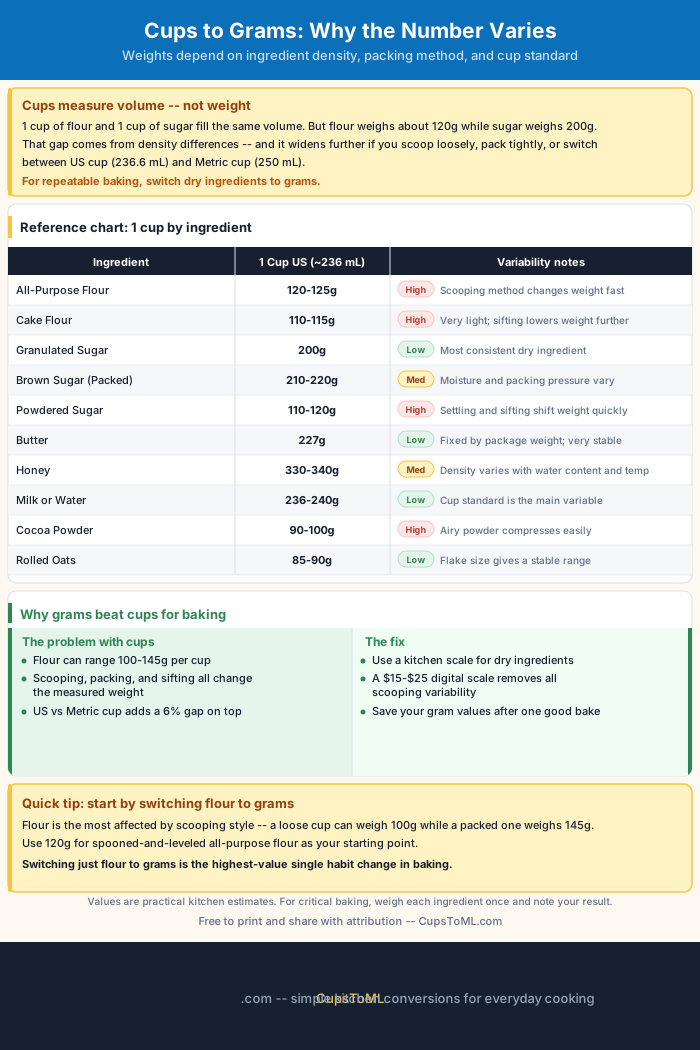
If your baked goods keep coming out inconsistent even when you measure carefully, read Why Weight Beats Volume. It makes the case for using a kitchen scale for dry ingredients, with real baking examples showing how much a cup can vary by fill method.
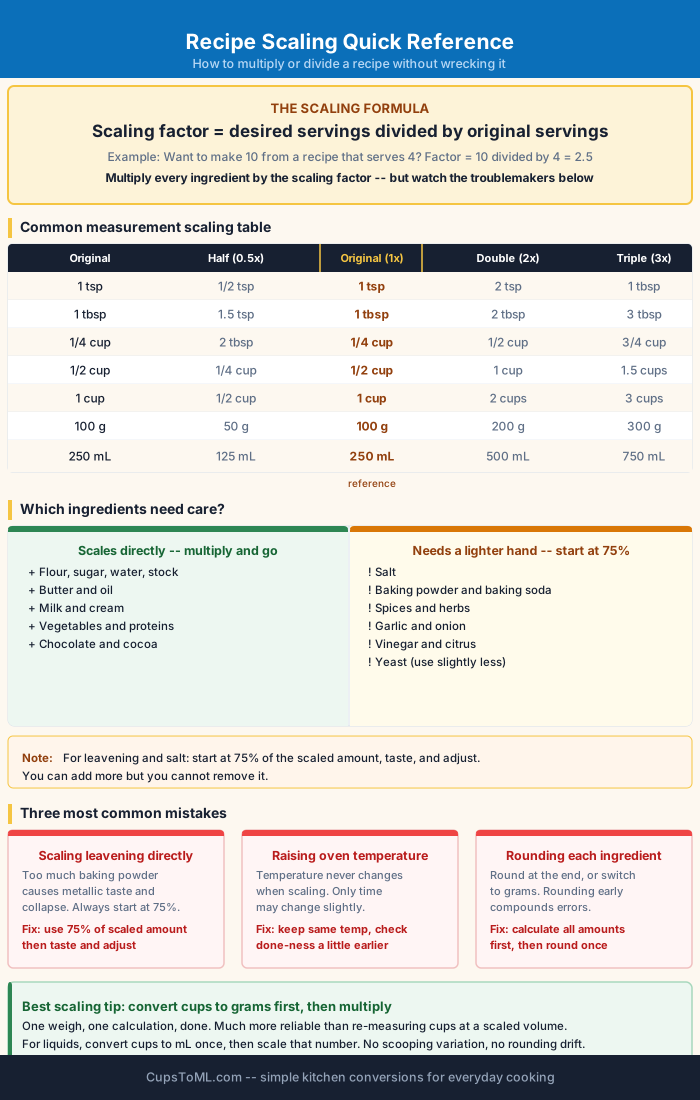
If you are scaling a recipe up or down, read How to Scale a Recipe before converting anything. Scaling and converting in the wrong order compounds rounding errors in ways that are hard to untangle afterward.
A short read now saves a lot of rework later.
The guides hub now includes a broader set of short kitchen-help articles built around narrow but common recipe problems. These pages are meant to add practical depth around the converter tools, not repeat the same conversion copy in a different format.
| Guide | What it helps with |
|---|---|
| How to Measure Sticky Ingredients Without a Mess | Honey, syrup, peanut butter, and other thick ingredients that cling to the cup. |
| Is a Coffee Mug Actually 1 Cup? | Understanding why mug size and recipe cup size are not the same thing. |
| How to Scale a Recipe for 2 People | Shrinking family-size recipes without making portion math messy. |
| How to Measure Flour Without a Scale | Reducing flour packing errors when you only have cups and spoons. |
| Why Recipes Say Packed Brown Sugar | Why the packing instruction exists and when it changes sweetness or moisture. |
| When to Use Grams Instead of Cups | Knowing when weight is the cleaner choice than volume. |
| What 1 Cup of Shredded Cheese Really Means | Understanding loose fill, packed fill, and shred size in cheese measurements. |
| How to Convert Recipe Quantities for Meal Prep | Scaling full recipes for prep containers, repeated lunches, and batch cooking. |
| When to Round mL and When to Keep Exact Values | Deciding when rounded kitchen numbers are fine and when exact values matter more. |
Use the table below to find the guide that matches your question.
| Guide | Best for | Key question it answers |
|---|---|---|
| Dry vs Liquid Measuring Cups | Baking and technique | Am I using the right cup for this ingredient? |
| Metric vs US Cup: Why Results Differ | International recipes | Why do my cup totals not match the recipe? |
| fl oz vs oz: What's the Difference? | Unit confusion | Is this a volume or a weight measurement? |
| How to Scale a Recipe Up or Down | Meal prep and batch cooking | How do I double or halve this recipe accurately? |
| Why Weight Beats Volume | Consistent baking results | Should I switch to grams for flour and sugar? |
| Metric Volume Cheat Sheet | Quick reference | What is a tablespoon in mL? |
| The Ultimate Kitchen Conversion Guide | General reference | Why do my conversions keep coming out wrong? |
| US vs Metric Cup: Practical Recipe Examples | Worked support examples | What does the cup gap look like in real recipe totals after I understand the rule? |
A few of the strongest guide pages also include SVG references you can save for quick kitchen checks. They work best as companions to the main page, not replacements for it.
| Guide | Best for | Download |
|---|---|---|
| Ingredient Cups to Grams Chart + Calculator | Best for flour, sugar, butter, cocoa, oats, and other ingredient-specific cup-to-gram checks. | Download SVG chart |
| Metric vs US Cup: Why Results Differ | Best for side-by-side cup-standard comparisons when recipe sources disagree. | Download SVG chart |
| How to Measure Flour Without a Scale | Best for spoon-and-level technique, flour compaction, and practical baking consistency. | Download SVG chart |
| How to Scale a Recipe Up or Down | Best for quick scaling reminders when doubling, halving, or resizing a recipe. | Download SVG reference |
Start with these when you need the main explanations that support the rest of the converter, chart, and kitchen hub pages.
These are the best starting points if you want the core measuring issues explained before you dive into narrower troubleshooting topics.
Browse the full guide catalog by topic. The featured guides above are intentionally pulled out as the best entry points, and the cards below cover the rest of the kitchen measurement library.
A metric cup is 250 mL, while a US cup is about 236.588 mL, so totals can differ when recipes use multiple cups.
Convert to a consistent base unit first, scale the full amount, then convert back only if needed.
Weight-based measurements are usually more repeatable than cup and spoon measures, especially for flour and sugar.
No. fl oz is a volume unit, while oz usually refers to weight.
Use the dedicated oven chart for quick scanning and use single-value converters for exact checks.
Light rounding is usually fine for everyday cooking, but baking often benefits from tighter precision.
Start with the Dry vs Liquid Measuring Cups guide to make sure your technique is right, then read Metric vs US Cup if you follow recipes from different countries. Those two guides cover the most common sources of measurement confusion.
No. Each guide is standalone and covers one specific topic. Start with the guide that matches the problem you are trying to solve right now. The guide categories table on this page can help you pick the right starting point.