Can I use a liquid measuring cup for honey?
You can, but a dry cup is usually easier to fill fully and scrape cleanly.
You need a quarter cup of honey or peanut butter, and suddenly the measuring cup becomes the most annoying part of the recipe. Half the ingredient sticks to the sides, the rest is hard to level, and now you are wondering whether the recipe got the amount you thought you measured. Sticky ingredients slow cooks down because they do not behave like flour and they do not pour like milk. This guide walks through the practical ways to measure them cleanly and consistently.
Sticky ingredients sit in the awkward middle between dry and liquid measuring. They hold their shape more than milk or oil, but they cling to the cup instead of leveling the way flour or sugar can. That means you can lose part of the ingredient on the walls of the cup, trap air pockets without noticing, or guess at the true amount because the surface is uneven.
This matters more than it seems. A little extra honey changes sweetness and moisture. Too much peanut butter changes texture in cookies and sauces. Yogurt, sour cream, and similar ingredients can shift the balance of a batter if you are generous one day and light-handed the next.
The good news is that sticky ingredients are not random once you choose the right tool and use the same method every time. For quick volume checks while you work, keep How Many mL Are in a Cup? and mL to Cups Converter nearby.
The best tool depends on whether the ingredient is thick, scoopable, or pourable. Use this table as the quick answer when you are halfway through a recipe and do not want to guess.
| Ingredient | Best tool | Why it works |
|---|---|---|
| Honey or syrup | Dry cup | Easier to fill fully and scrape cleanly |
| Peanut butter | Dry cup or plunger cup | Lets you pack out air pockets and level the top |
| Yogurt | Dry cup | Thick enough that a liquid line is unreliable |
| Sour cream | Dry cup | Easier to spoon in and level evenly |
| Molasses | Dry cup | Cleaner release when the cup is lightly greased |
| Nut butter | Dry cup or scale | Weight is easiest if the recipe gives grams |
A liquid cup can work for pourable syrups in a pinch, but it is rarely the easiest choice. Thick ingredients leave residue on the sides and make the line harder to read accurately.
Say you are making granola bars and the recipe calls for 1/2 cup honey plus 1/3 cup peanut butter. If you dip the cups straight in without prepping them, a surprising amount stays behind. The recipe may still work, but the bars can turn out drier and less sweet than intended.
Now imagine measuring the same ingredients with a light spray of neutral oil in the cup first. The honey slides out almost completely, and the peanut butter releases more cleanly with a spatula or plunger cup. You are much closer to the recipe's actual intended amount, and cleanup is easier too.
This is one of those quiet kitchen habits that improves repeatability. The ingredient itself is not tricky once you stop treating it like a free-pouring liquid.
The same idea helps with yogurt and sour cream in batters or marinades. If one batch includes a generous scoop that clings above the rim and the next batch is leveled neatly, the texture can shift without you realizing why. A simple, repeatable method matters more here than speed.
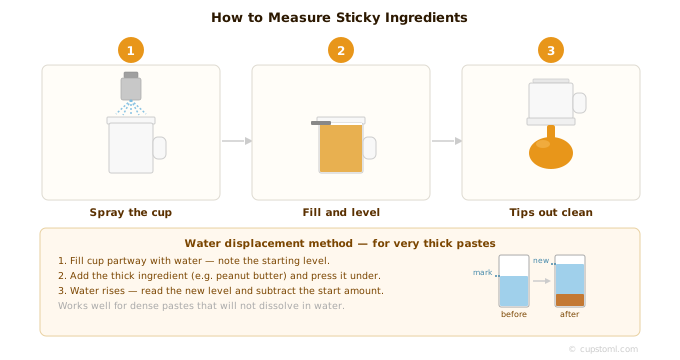
If you cook with sticky ingredients often, consistency matters more than having a special gadget. A dry cup, a small spatula, and one repeatable method are enough for most home kitchens. The goal is not perfection. The goal is getting close to the same real amount every time so your recipe behaves the way it did the last time it worked.
You can, but a dry cup is usually easier to fill fully and scrape cleanly.
A light coat of oil helps sticky ingredients release instead of clinging to the walls.
Usually yes. Pack it into a dry cup and level the top unless the recipe gives grams.
If the recipe gives weight, use a scale and skip the sticky cup cleanup entirely.
Yes. Uneven measuring of honey, yogurt, peanut butter, and similar ingredients can change moisture and texture more than people expect.